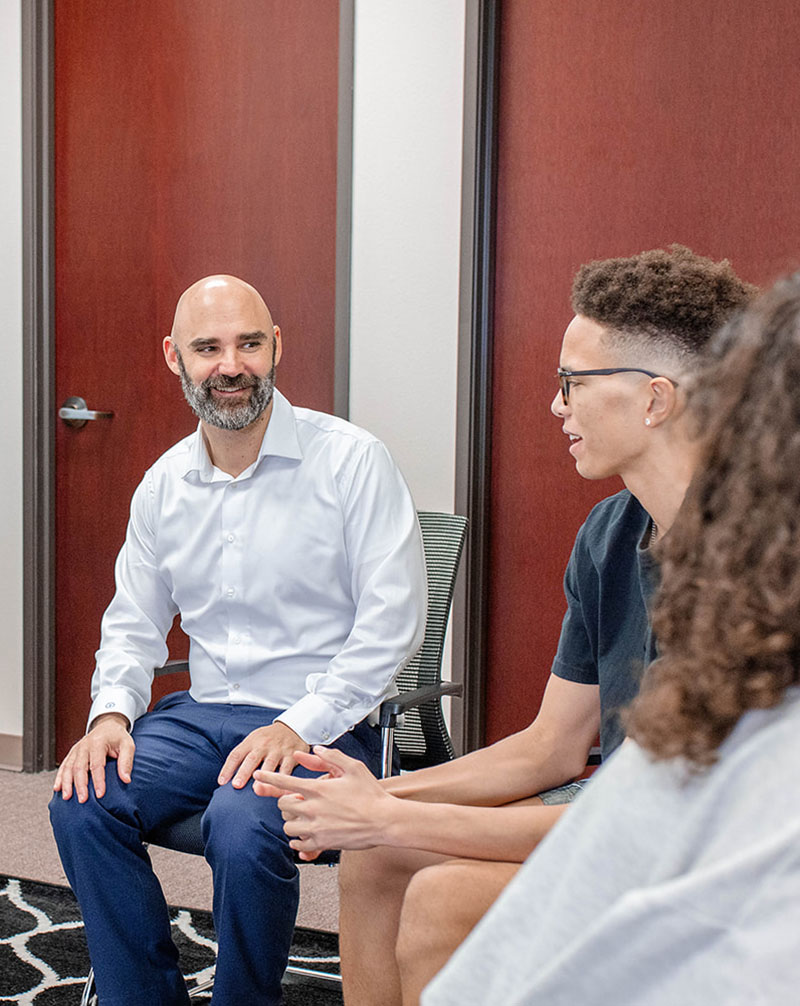


Jason Zelus, MSW, LCSW
Executive Director
Jason has great compassion for those affected by addiction, and his passion for facilitating positive change led to the formation of Zelus Recovery.
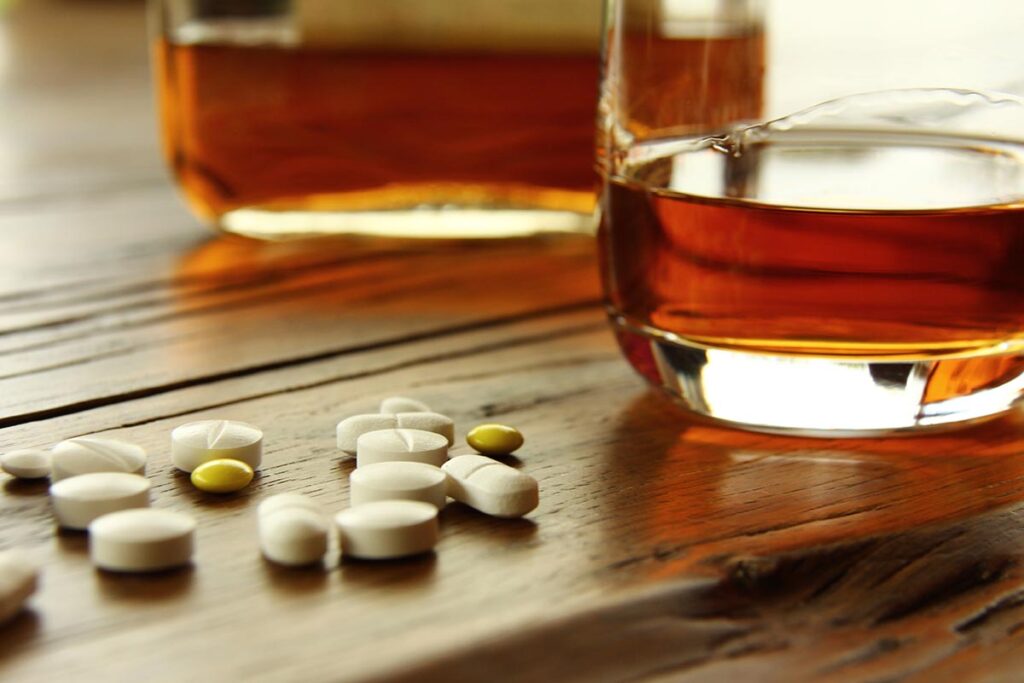
Some medications don’t mix with alcohol. Prescription painkillers, sleep aids, and antidepressants are among the most dangerous. If your teen is taking medication for depression, you should know the worst antidepressants to mix with alcohol and the risks they run by drinking. Idaho teens drink more than the national average, with over 7% of teens 12–17 surveyed having drank in the last month.1
Our medical team here at Zelus Recovery can help your teen stop drinking and manage medications safely. We know that the teen years can be tough to manage as a parent, especially if your child takes medications to manage their health. Zelus Recovery offers flexible treatment for teens at our office here in Meridian, so your family won’t have to put their lives on hold.
Start your recovery journey today
Table of Contents
What not to mix with alcohol
Many commonly prescribed and over-the-counter medications can interact dangerously with alcohol. Below are some of the most important categories to be aware of.
Mood and anxiety medications
Alcohol can interfere with medications used to treat depression, anxiety, bipolar disorder, and other mental health conditions. These include:
- Antidepressants, including SSRIs and Wellbutrin
- Anti-anxiety medications
- Mood stabilizers like lithium
Mixing alcohol with these medications can increase drowsiness and dizziness, reduce their effectiveness, worsen depression or anxiety, and increase impulsivity and suicidal thoughts.
What antidepressants do teens take?
Most first-course medications for teen depression and anxiety are prescriptions called selective serotonin reuptake inhibitors (SSRIs). SSRIs include popular options like Lexapro, Zoloft, Prozac, Luvox, and more.2
ADHD medications
Stimulants are popular medications for managing ADHD in children, teens, and adults. Common prescriptions include Adderall, Ritalin, Concerta, and Vyvanse. When combined with alcohol, they can mask how intoxicated someone is, which increases their risk of alcohol poisoning. Stimulants also raise blood pressure and heart rate, which can cause heart problems.
Pain medications
Prescription painkillers, especially opioid medications (like oxycodone and hydrocodone), are dangerous to mix with alcohol. Both alcohol and opioids are depressants, which slow nervous system activity—including breathing. Mixing alcohol and pain medication raises the risk of someone overdosing and stopping breathing.
Over-the-counter pain medications, like Tylenol and ibuprofen, can also cause issues when mixed with alcohol. Stomach bleeding, liver damage, and other issues can occur, especially with heavy drinking and/or daily use.
Sleep aids
Medications for teen insomnia—like clonidine and antihistamines—are also not safe to mix with alcohol. Similar to opioids, these medications have depressant effects and slow the nervous system. Mixing these substances can make someone dizzy and drowsy while also raising the risk of overdose.
Natural supplements
Even supplements can be dangerous when mixed with alcohol. St. John’s wort, melatonin, CBD, and even caffeine can all interact with alcohol. Always read the box, check any packaging, and do your research if your teen is taking a supplement and you think they’re drinking.
Read more: The difference between natural and synthetic drugs
How alcohol interacts with medications
Alcohol interacts with different medications in different ways. The most serious short-term risk of many of these interactions is overdose. Over the long term, though, it can raise the risk of substance abuse and addiction, worsen mental health symptoms, and cause other issues like organ damage. You can always ask your teen’s doctor about interactions with other drugs or alcohol, especially if you’ve noticed signs your teenager is taking drugs or drinking. You can also check for interactions with alcohol, other medications, or even food with Medscape’s free drug interaction checker.3
Who’s at higher risk?
Teens face greater risks than most adults when mixing substances. They may not have as much experience with alcohol or as much exposure to the risks of polysubstance abuse. Teen brains are also still developing, so they may be more prone to impulsive and risky behaviors. If they start mixing medications and alcohol early, it can disrupt their development as they transition from adolescence to adulthood, making them more at-risk of developing addiction.
Red-flag symptoms after drinking
If your teen has been drinking while taking a medication, you might notice some symptoms that go beyond just being intoxicated. It’s time to get help if you notice:
- Trouble breathing, very slow breathing, or long pauses between breaths
- Extreme drowsiness, difficulty staying awake, or they’re not able to be woken
- Confusion, disorientation, or unusual behavior
- Vomiting repeatedly or while semi-conscious
- Fainting or collapsing
- Bluish/grayish/pale lips and/or fingertips
- Seizures
What to do in an emergency
These can be signs of overdose, alcohol poisoning, or respiratory depression. Call 911 immediately. While you wait, make sure your teen can breathe and roll them onto their side to keep their airways clear.
Family alcohol and drug addiction help in Boise, ID
You’re not overreacting if your teen is mixing medications with alcohol. Teen drinking is risky on its own, and it becomes more dangerous when it interacts with medication. There may be something deeper going on, like struggles with their mental health.
Looking for drug and alcohol services near you? Zelus Recovery is located in Meridian, ID. We help both teens and adults find healthier ways forward from alcohol and drug abuse. Our teen program works with the whole family to build healthier relationships so teens can stop drinking and using drugs. Don’t wait. Get help for them today by calling us at 208.518.0797.
FAQs
The most dangerous combinations involve substances that slow breathing, affect the brain, or strain the liver. These include opioid painkillers, sleep aids, anxiety medications, antidepressants, ADHD stimulants, certain antibiotics, and even some over-the-counter cold medicines. Mixing alcohol with medications increases the risk of overdose, alcohol poisoning, organ damage, and accidents.
Some of the riskiest prescription medications to mix with alcohol include:
- Opioid pain medications
- Anti-anxiety medications
- Sleep medications
- Certain antidepressants
- ADHD stimulants
- Some antibiotics and heart medications
Even if a medication doesn’t carry a strict warning label, alcohol can still interfere with how it works.
Sometimes—but not always. Certain antibiotics can cause severe reactions when mixed with alcohol, including nausea, vomiting, flushing, dizziness, rapid heartbeat, and low blood pressure. Alcohol can also slow recovery by weakening the immune system or reducing how well the medication works.
When in doubt, it’s safest to avoid alcohol until the antibiotic course is finished.
For many antibiotics, waiting 48–72 hours after the last dose is recommended, especially for those known to cause reactions with alcohol. Always check with a pharmacist or doctor, as timing can vary depending on the medication.
Alcohol is generally not recommended with antidepressants. Drinking can:
- Reduce how well the medication works
- Worsen depression or anxiety symptoms
- Increase drowsiness, dizziness, and impulsivity
For teens, alcohol can also interfere with treatment progress and increase suicide risk.
Alcohol should not be mixed with many anxiety medications, especially benzodiazepines. Both substances depress the central nervous system, which can lead to:
- Slowed breathing
- Extreme sedation
- Memory loss
- Increased overdose risk
Even small amounts of alcohol can be dangerous with these medications.
Mixing alcohol with painkillers can be extremely dangerous.
- Opioids + alcohol can slow or stop breathing
- Acetaminophen + alcohol increases the risk of liver damage
- NSAIDs + alcohol raise the risk of stomach bleeding
These risks increase with binge drinking or frequent use.
Occasional light drinking may be tolerated by some people, but mixing alcohol with ibuprofen increases the risk of stomach irritation, ulcers, and bleeding, especially with frequent drinking or higher doses. Teens should avoid this combination altogether.
Yes. Alcohol can mask intoxication when mixed with stimulant ADHD medications, leading someone to drink more than intended. This raises the risk of alcohol poisoning, heart problems, and risky behavior—particularly in teens and young adults.
Many cold and flu medications do not mix safely with alcohol. Antihistamines and cough syrups can cause excessive drowsiness, slowed breathing, and impaired coordination when combined with alcohol. Some combinations increase overdose risk.
Yes. Alcohol can cause dangerously low blood sugar, especially when combined with diabetes medications or insulin. Symptoms like confusion, shakiness, or fainting may be mistaken for intoxication, delaying treatment.
Alcohol can reduce medication effectiveness by:
- Interfering with absorption
- Changing how the liver processes drugs
- Making side effects worse
Over time, this can undermine treatment for mental health, chronic illness, or pain.
Yes. Energy drinks can make someone feel less intoxicated than they really are, leading to heavier drinking, dehydration, heart strain, and increased risk of alcohol poisoning. This combination is especially risky for teens and young adults.