

Jason Zelus, MSW, LCSW
Executive Director
Jason has great compassion for those affected by addiction, and his passion for facilitating positive change led to the formation of Zelus Recovery.
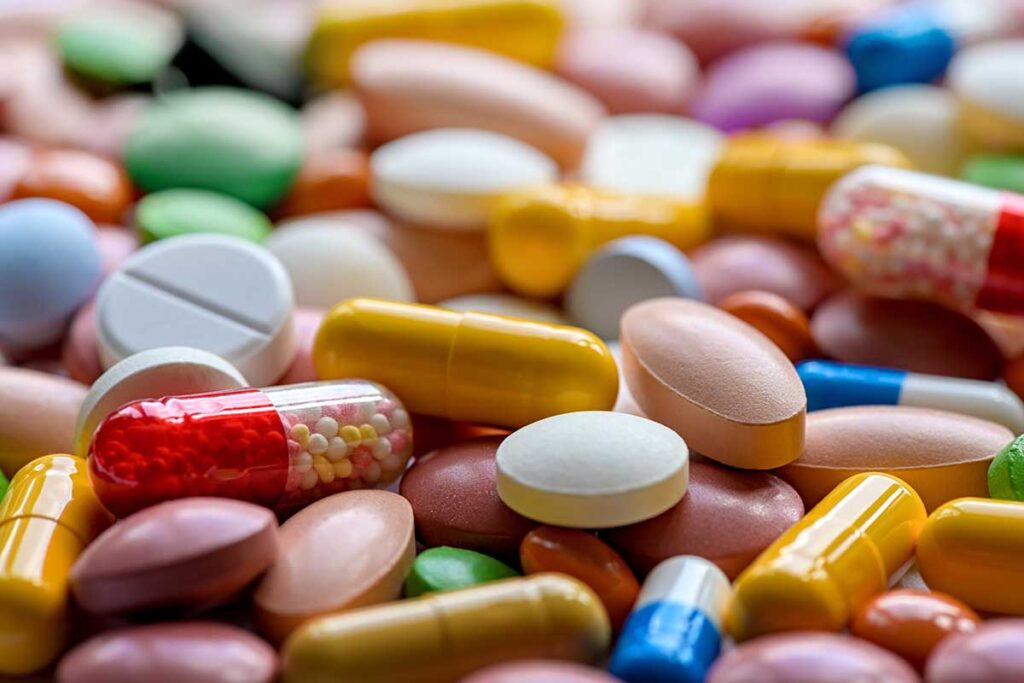
Synthetic drugs are man-made. The main difference between synthetic drugs and natural drugs is that synthetic drugs use chemicals to replicate the effects of natural drugs. Both synthetic and natural drugs can be dangerous, but synthetic drugs carry extra risk. Synthetic drugs can easily contain unknown ingredients and may be much stronger than their natural counterparts.
Knowing the difference between the two matters. It can help you determine which ingredients may be safe, when you should seek treatment, and what risks there are to using them. Zelus Recovery offers confidential synthetic drug treatment in the Boise area for teens and adults. Call us at 208.518.0797 to speak to someone now.
Start your recovery journey today
Table of Contents
- What are synthetic drugs?
- Why synthetic drugs are risky
- Short-term effects and red-flag symptoms
- Long-term risks of synthetic drug use
- Synthetic drugs vs. natural drugs
- Fentanyl and contamination risks in Idaho
- Are synthetic drugs legal in Idaho?
- Do synthetic drugs show up on a test?
- Tolerance, dependence, and withdrawal
- What to do in an emergency
- How do you treat synthetic drug use?
- Find help in Boise
- FAQs
What are synthetic drugs?
Synthetic drugs are also known as designer drugs. That’s because they are made in a lab using chemical ingredients. These drugs are hazardous because they tend to be more powerful than the natural drug they are designed after. They can also be harmful because drug information about them is not available. That means if a person consumes these drugs, the consequences are unknown and often misrepresented.
Examples of synthetic drugs
Bath salts
This type of synthetic drug comes from cathinone, which is a type of stimulant. These contain stimulants such as methylone, MDPV, and mephedrone. These drugs are more powerful than cocaine.
Molly
This type of drug is a type of ecstasy. It is a stimulant and also has hallucinogenic properties. These often have very little MDMA in them, but they may contain angel dust (PCP) or MDPV, a highly toxic drug.
K2/Synthetic weed
Also known as spice, this drug is designed to be a much more powerful form of cannabinoids. These are nothing like marijuana in terms of their chemical makeup, though. These drugs can create psychosis, depressant effects, and stimulation as well.
Crystal meth
This type of drug is a street version of methamphetamine. Sometimes, this drug is made using Freon, gasoline, sulfur, or lithium from batteries. All of these are hazardous ingredients.
Gas station heroin
Tianeptine is a synthetic drug that is used in some countries as an atypical antidepressant. It’s a synthetic opioid that’s never been cleared by the FDA but is sometimes sold as a nootropic (a supplement that’s supposed to enhance mood and cognition). Many states have banned it, but it can still be found in gas stations in the U.S. 1
Fentanyl analogs
Fentanyl is a prescription synthetic opioid that’s highly regulated when used for medical purposes. Illicit fentanyl analogs, on the other hand, aren’t regulated at all and are very dangerous. Analogs like carfentanil can be hundreds of times more potent than fentanyl and thousands of times more dangerous than morphine.2
7-OH
7-OH is a byproduct of kratom, a popular (though risky) drug sold in gas stations and vape shops. 7-OH is an even riskier drug than kratom and is just as unregulated. The drug binds to opioid receptors to provide pain relief and relaxation, but potent versions can lead to overdose.
Why synthetic drugs are risky
The biggest risk of synthetic drugs is that they’re unregulated. Manufacturers can add potent ingredients in risky combinations at high strengths and sell them to consumers as a “healthier” or “better” alternative to natural drugs. The truth is, though, they can be just as—sometimes more—addictive as natural alternatives.
Short-term effects and red-flag symptoms
In the short term, these drugs can have similar symptoms to the natural drugs they’re trying to mimic. There may also be some serious side effects of synthetic drugs that require medical attention:
- Rapid heart rate and high blood pressure
- Anxiety, paranoia, or panic attacks
- Hallucinations or psychosis
- Aggression or impulsive behavior
- Nausea, vomiting, or seizures
If you think your loved one is struggling with substance use, watch out for red flags. These can include sudden mood changes, secrecy, withdrawal from family or friends, changes in sleep patterns, or declining school or work performance.
Long-term risks of synthetic drug use
With repeated use, synthetic drugs can cause lasting damage, including:
- Changes in brain chemistry and cognition
- Increased risk of depression, anxiety, and psychosis
- Memory and attention problems
- Heightened risk of dependence and addiction
Long-term use can also strain relationships, disrupt education or employment, and negatively impact overall health and well-being.
Synthetic drugs vs. natural drugs
| Synthetic Drugs | Natural Drugs | |
| Source | Created entirely in laboratories using chemical compounds | Derived from plants, fungi, or other natural sources |
| Examples | Spice/K2, bath salts, synthetic opioids (fentanyl), MDMA variants | Marijuana, cocaine, heroin, psilocybin mushrooms, alcohol |
| Regulation | Often unregulated or rapidly altered to avoid legal control | Many are illegal, regulated, or controlled substances |
| Potency | Frequently much stronger than the drugs they mimic | Potency varies, but is often more predictable |
| Predictability | Highly unpredictable due to changing chemical formulas | More consistent effects, though still risky |
| Overdose Risk | Very high due to unknown ingredients and strength | High, especially with concentrated or repeated use |
| Addiction Risk | High; can lead to rapid tolerance and dependence | High; many natural drugs are strongly addictive |
| Detection on Drug Tests | Often difficult to detect with standard tests | More likely to be detected on standard drug screens |
| Health Effects | Can cause severe psychological and physical reactions | Can cause long-term physical and mental health issues |
Fentanyl and contamination risks in Idaho
Idaho continues to struggle with fentanyl. While rates of drug overdoses are falling from their peak in 2023, they still remain much higher than they did a decade ago.3 Synthetic opioids like fentanyl are still seen in a majority of overdoses.
Fentanyl and synthetic analogs can be mixed or cut into other drugs, like meth, cocaine, or heroin, and are almost impossible to detect by looking at them. Test strips can detect fentanyl, but many people don’t take the time to test drugs before use. If they don’t have a high tolerance for opioids, they may overdose on just one use.
Are synthetic drugs legal in Idaho?
No. Synthetic drugs are illegal in Idaho. A 2024 bill amended the controlled substance list to include many of the most common synthetic drugs.4 The issue remains, though, that many manufacturers of synthetic drugs skirt the law by changing formulas. They can make a single ingredient change, which modifies the chemistry of the drug by one part, and doesn’t ruin the effect it has on someone.
Do synthetic drugs show up on a test?
It’s hard to test for synthetic drugs. Since formulas are constantly changing, drug screenings may not pick up some ingredients. Some more common synthetic drugs, like crystal meth, are included in standard drug panels. Many at-home tests aren’t very good at detecting synthetic drugs for this reason.
Tolerance, dependence, and withdrawal
Repeated use of synthetic drugs can lead to tolerance, meaning a person needs more of the substance to feel the same effects. Because many synthetic drugs are especially potent, tolerance can develop quickly, increasing the risk of overdose.
As tolerance builds, dependence may develop. This happens when the brain and body begin to rely on the drug to function normally, making it difficult to stop using even when problems appear.
When use stops, withdrawal symptoms can occur. These vary depending on the drug and its ingredients, which are often unknown. Common symptoms include anxiety, sleep problems, mood changes, fatigue, and cravings. In some cases, withdrawal can be medically risky, and professional support may be needed to stop safely.
What to do in an emergency
If you think someone may be having a medical emergency related to synthetic drug use, call 911 right away. Signs of an emergency include:
- Trouble breathing
- Seizures
- Loss of consciousness
- Severe agitation or confusion
- Chest pain
- Unresponsiveness
If opioids may be involved, administer naloxone (Narcan) if it’s available. Naloxone can reverse opioid overdoses, including those involving fentanyl, and is safe to use even if you’re not sure what drug was taken.5
While waiting for help to arrive, stay with the person if it’s safe to do so. If they’re unconscious but breathing, place them on their side. Do not leave them alone, and do not try to make them vomit.
How do you treat synthetic drug use?
When someone is facing addiction to synthetic drugs, treatment needs to address the type of drug and the damage it has caused them. When it comes to young adults and teens, getting help right away for them is critical. That can help minimize the risk of long-term addiction as well as health complications. At Zelus Recovery, we help both teens and adults stop using drugs and find a safer way forward.
Adult treatment
Zelus Recovery offers detox and synthetic drug treatment in Boise for adults. Whether you’re a busy parent or a high-performing professional, we can help you get back on track with full discretion that respects your privacy.
Teen treatment
Our teen substance abuse treatment is available in a flexible outpatient program. Teens can still experience the benefits of teen SUD treatment without falling behind in school. We’ll help the whole family come together and build the strong bonds that help everyone heal.
Find help in Boise
If you or someone you love is struggling with synthetic drugs, don’t wait to get help. Treatment in the Boise area is just a call away. Get in touch with the medical team at Zelus Recovery now.
FAQs
Synthetic drugs are man-made substances created in laboratories to mimic the effects of natural drugs. They are often more potent and unpredictable than the drugs they’re designed to imitate, and they may contain unknown or changing ingredients.
Common examples include bath salts (synthetic cathinones), synthetic marijuana (K2 or Spice), MDMA or “molly” variants, fentanyl analogs, crystal meth, tianeptine (“gas station heroin”), and other lab-created stimulants or opioids.
Yes. Synthetic drugs are especially dangerous because they’re often unregulated, highly potent, and unpredictable. Even small amounts can cause severe physical or psychological reactions, overdose, or long-term health effects.
No. Synthetic drugs are illegal in Idaho. While manufacturers sometimes change chemical formulas to evade laws, many synthetic substances are classified as controlled substances under Idaho law, and possession or distribution can carry serious consequences.
Yes. Synthetic drugs are sometimes contaminated with fentanyl or fentanyl analogs, even when they’re sold as stimulants or non-opioid drugs. This significantly increases the risk of overdose, especially for people without opioid tolerance.
Some do, but many do not. Because synthetic drug formulas change frequently, standard drug tests may miss certain substances. More common drugs like methamphetamine are typically detected, while newer compounds may not be.
Detection times vary widely depending on the drug, the dose, frequency of use, and the type of test used. Some synthetic drugs may leave the body within days, while others can be detectable longer. Because ingredients are often unknown, timelines are difficult to predict.
Signs may include trouble breathing, chest pain, seizures, extreme agitation or confusion, hallucinations, vomiting, loss of consciousness, or unresponsiveness. Overdose symptoms can vary depending on whether the drug acts as a stimulant, depressant, or opioid.
Call 911 immediately. If opioids may be involved, give naloxone (Narcan) if available. Stay with the person, place them on their side if they’re unconscious but breathing, and do not leave them alone while waiting for help.
Withdrawal symptoms vary but may include anxiety, irritability, depression, sleep problems, fatigue, cravings, and flu-like symptoms. Because synthetic drugs can contain unknown chemicals, withdrawal can be unpredictable and sometimes medically risky.
Treatment typically starts with an assessment and may include medically supervised detox, outpatient therapy, medication management when appropriate, and ongoing relapse prevention. Treatment plans are tailored to the person’s substance use and mental health needs.
Start with calm, non-judgmental conversations focused on safety rather than punishment. Ask open-ended questions, listen more than you talk, and address common myths like “legal means safe.” Professional guidance can help support these conversations.
Warning signs may include sudden mood changes, secrecy, changes in sleep or appetite, declining school or work performance, unexplained anxiety or agitation, and withdrawal from family or friends.
Zelus Recovery offers outpatient addiction treatment for both adolescents and adults in the Boise area. Services include ambulatory detox, PHP, IOP, outpatient care, telehealth options, and family-centered support.
References and medical review
- NPR, 8 things to know about the drug known as ‘gas station heroin’
- DEA, Carfentanil: A Dangerous New Factor in the U.S. Opioid Crisis, accessed January 2026
- CDC, Provisional Drug Overdose Death Counts, accessed January 2026
- State of Idaho, HOUSE BILL NO. 435
- CDC, 5 Things to Know About Naloxone, accessed January 2026