


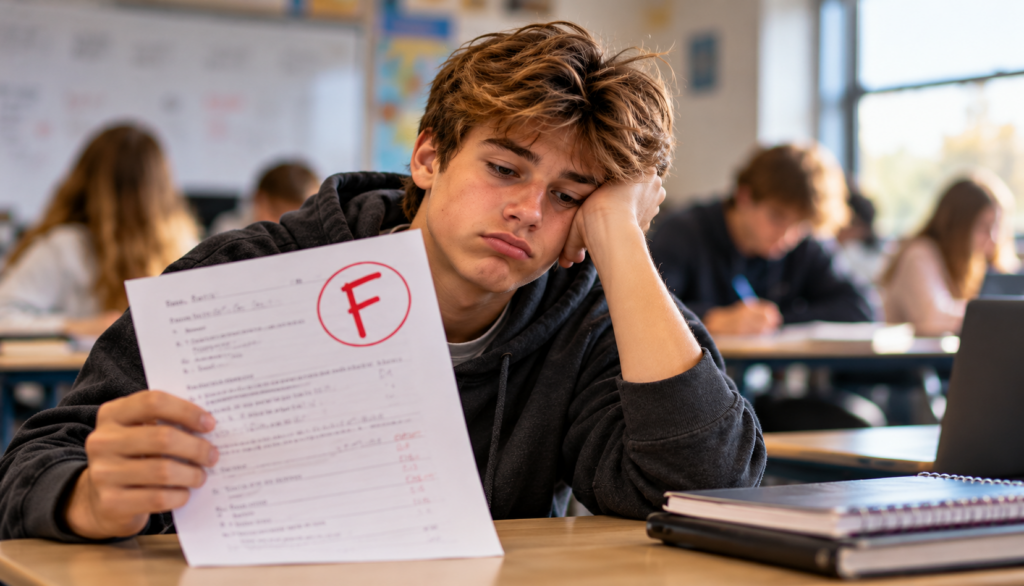
For many parents, the teenage years bring changes that can be difficult to understand. Your once outgoing child becomes withdrawn. Their grades begin slipping. They spend more time alone, seem unusually irritable, or suddenly lose interest in activities they once loved.
It’s easy to assume these changes are simply part of growing up. And sometimes, they are. But what happens when those changes are signs of something more? Teen anxiety and substance abuse can be closely connected, and the warning signs aren’t always obvious.
Some teenagers turn to alcohol, marijuana, vaping, or other substances because they believe these things help them relax, fit in, escape uncomfortable feelings, or manage overwhelming emotions. What may begin as occasional experimentation can develop into a pattern of using substances to cope. According to the National Institute on Drug Abuse (NIDA), substance use during adolescence deserves particular attention because the brain is still developing, including areas involved in decision-making and impulse control.
For parents throughout Boise, Meridian, Nampa, Caldwell, Eagle, and the Treasure Valley, recognizing the signs of teen substance abuse early can create an opportunity to intervene before problems become more serious. The challenge is knowing what to look for, especially when anxiety, normal adolescent behavior, and substance use can share similar symptoms.
Not every behavioral change means your teenager is using drugs or alcohol. But when several warning signs appear together, it’s worth paying attention. Understanding the connection between anxiety and substance use is an important first step.
Teen Anxiety and Substance Abuse: Why Some Teenagers Turn to Drugs or Alcohol
Anxiety is more than occasional nervousness before a test, sporting event, or social gathering. For some teenagers, it becomes a persistent struggle that affects their sleep, relationships, confidence, school performance, and daily life. Teenagers experiencing anxiety may feel overwhelmed by academic expectations, social pressures, friendships, family conflict, or fear of being judged by others.
When they don’t have healthy coping strategies or feel uncomfortable asking for help, some may experiment with substances to manage those feelings. Alcohol may temporarily make social situations feel easier. Marijuana may seem to quiet racing thoughts. Nicotine from vaping products may create a brief sensation of relief. But these effects are temporary, and substance use can ultimately make anxiety and emotional regulation more difficult.
The Substance Abuse and Mental Health Services Administration (SAMHSA) recognizes that mental health conditions and substance use disorders can occur together, making it important to address both when appropriate.
Why self-medicating anxiety can become a dangerous cycle
A teenager who discovers that alcohol or drugs temporarily reduce uncomfortable feelings may begin relying on those substances whenever anxiety appears. Over time, that pattern can become increasingly difficult to break. For example, a teenager might begin drinking at parties to feel more confident. Eventually, they may believe they cannot socialize comfortably without alcohol.
Another teenager might use marijuana after school to relax, only to find that they become more anxious or irritable when they aren’t using it. This is why recognizing the early signs of teen substance abuse matters. What initially looks like a behavioral problem may also be a teenager struggling to manage emotional distress.
Parents don’t have to determine whether anxiety or substance use came first. The priority is understanding what their teenager is experiencing and helping them access appropriate support. For families concerned about teenage drug and alcohol use, knowing the warning signs can help distinguish ordinary adolescent changes from behaviors that deserve closer attention.
1. Sudden Changes in Mood, Personality, or Behavior
One of the most common signs of teen substance abuse is a noticeable change in mood or behavior. A teenager who was once outgoing and involved with family may suddenly become withdrawn, irritable, or unusually defensive. While mood swings are a normal part of adolescence, persistent or extreme changes may indicate anxiety, emotional distress, or possible drug and alcohol use.
Parents may notice:
Increased irritability, anger, or unexplained mood swings
Withdrawing from family and longtime friends
Becoming secretive about activities or whereabouts
Losing interest in sports, hobbies, or school activities
Becoming defensive when asked simple questions
For teenagers struggling with anxiety, alcohol, marijuana, or nicotine may seem like a temporary way to relax or escape uncomfortable emotions. However, substance use can contribute to worsening anxiety, irritability, and emotional instability. A change in behavior doesn’t automatically mean your teen is using drugs or alcohol. But when several warning signs appear together, it’s important to pay attention.
The National Institute on Drug Abuse (NIDA) explains how adolescent brain development can influence decision-making and vulnerability to substance-related problems. Approaching your teenager with curiosity and concern rather than accusations can help open the door to an honest conversation.

2. Declining Grades or Losing Interest in School
A sudden drop in academic performance can be one of the signs of teen substance abuse, particularly when a teenager previously performed well in school. Anxiety can make it difficult for teenagers to concentrate, complete assignments, or feel motivated. When drugs or alcohol become a way to manage stress, school performance may decline further.
Parents may notice:
Falling grades or missing assignments
Skipping classes or frequently arriving late
Difficulty concentrating or remembering information
Losing interest in school activities or extracurricular programs
Increased disciplinary issues or conflicts with teachers
Avoiding conversations about school performance
Teenagers who are self-medicating anxiety may begin using marijuana, alcohol, or other substances to escape academic pressure or social stress. A decline in grades doesn’t automatically indicate drug or alcohol use. However, significant academic changes combined with behavioral or emotional warning signs deserve attention.
According to the Centers for Disease Control and Prevention (CDC), youth substance use is associated with academic difficulties and other health risks. Rather than focusing only on grades, parents should explore whether anxiety, peer relationships, or substance use may be contributing to the changes.
3. Changes in Friendships and Increased Secrecy
Friendships naturally evolve during adolescence. However, sudden changes in social circles combined with unusual secrecy can sometimes indicate teenage drug and alcohol use. A teenager may begin spending time with unfamiliar friends, avoiding longtime friendships, or becoming increasingly protective of their phone, activities, and whereabouts.
Parents may notice:
Suddenly abandoning longtime friendships
Refusing to introduce new friends
Becoming secretive about where they are going
Frequently staying out later than agreed
Giving inconsistent explanations about activities
Spending more time away from family
Becoming defensive when asked about social plans
For teenagers experiencing social anxiety, alcohol or drugs may seem like a way to feel more confident or accepted by peers. Some may begin experimenting with substances because they believe it helps them fit in.

4. Changes in Sleep Patterns and Constant Fatigue
Changes in sleeping habits can be another warning sign of teen substance abuse, especially when a teenager begins sleeping excessively, staying awake most of the night, or struggling to get out of bed. Anxiety alone can disrupt sleep, but alcohol, marijuana, nicotine, and other substances may further interfere with healthy sleep patterns.
Parents may notice:
Sleeping much longer than usual or staying in bed all day
Difficulty waking up for school or morning activities
Staying awake late into the night
Frequently appearing exhausted or lacking motivation
Falling asleep during school or family activities
Unexplained changes in energy levels
Some teenagers use marijuana or alcohol because they believe it helps them relax or fall asleep. However, substance use can disrupt sleep quality and contribute to daytime fatigue, anxiety, and difficulty concentrating. According to the National Institute on Drug Abuse (NIDA), different substances can affect the brain and body in ways that influence alertness, mood, and everyday functioning.
Persistent sleep changes don’t necessarily mean your teen is using drugs or alcohol. But when exhaustion, withdrawal from activities, and behavioral changes occur together, it’s important to explore what may be happening. Parents should consider both mental health and possible substance use when trying to understand significant changes in their teenager’s sleeping habits.

5. Unexplained Physical Changes or Declining Personal Hygiene
Physical changes can be another warning sign of teen substance abuse, especially when they appear suddenly or alongside changes in mood, behavior, or school performance. Alcohol, marijuana, nicotine, and other substances can affect a teenager’s appearance, appetite, energy levels, and overall physical health.
Parents may notice:
Bloodshot eyes or unusually large or small pupils
Sudden weight loss or changes in appetite
Frequent headaches, nausea, or unexplained illness
Unusual smells on clothing, hair, or breath
Neglecting personal hygiene or appearance
Changes in coordination, speech, or alertness
Teenagers experiencing anxiety may also develop physical symptoms, including headaches, stomachaches, and changes in appetite. This can make it difficult for parents to determine whether the underlying concern is emotional distress, substance use, or another health condition. The National Institute on Drug Abuse (NIDA) explains that different substances can produce a range of physical and behavioral effects.
The important thing is to recognize changes that are unusual for your teenager, particularly when multiple warning signs appear together. Physical symptoms alone do not establish drug or alcohol use. Persistent or concerning changes should be evaluated by a healthcare professional rather than dismissed as typical teenage behavior.

6. Using Drugs or Alcohol to Escape Stress or Anxiety
One of the most concerning signs of teen substance abuse is when a teenager begins relying on drugs or alcohol to manage uncomfortable emotions. Teenagers experiencing anxiety, social pressure, or emotional distress may believe substances help them relax, feel more confident, or temporarily forget their problems.
Parents may hear statements such as:
“It helps me relax.”
“I only drink when I’m stressed.”
“Marijuana helps me sleep.”
“Vaping calms my nerves.”
“Everyone does it.”
“I just need something to take the edge off.”
While these statements don’t automatically indicate addiction, they may suggest a teenager is beginning to associate substance use with emotional relief. Using drugs or alcohol to cope with anxiety can create a harmful cycle. Temporary relief may reinforce repeated use, while substance-related effects or withdrawal can contribute to worsening anxiety and emotional distress.
According to the Substance Abuse and Mental Health Services Administration (SAMHSA), mental health concerns and substance use disorders can occur together and may require coordinated treatment. Recognizing this pattern early gives parents an opportunity to address both anxiety and substance use before the behavior becomes more difficult to change.
7. Risky Behavior and Poor Decision-Making
One of the more serious signs of teen substance abuse is an increase in risky behavior or decisions that seem out of character. Alcohol and drugs can affect judgment, impulse control, and the ability to recognize dangerous situations. For teenagers already struggling with anxiety, substance use may become a way to escape emotional distress without fully considering the consequences.
Parents may notice:
Sneaking out or repeatedly breaking established rules
Riding in vehicles with someone who has been drinking or using drugs
Stealing money or unexplained spending
Experimenting with increasingly dangerous substances
Lying about alcohol or drug use
Continuing to use substances despite problems at school, home, or with friends
Risky behavior doesn’t automatically mean a teenager has an addiction. However, continuing to use drugs or alcohol despite negative consequences is an important warning sign.
According to the National Institute on Drug Abuse (NIDA), the adolescent brain is still developing, particularly in areas involved in decision-making and impulse control. Parents shouldn’t wait for an arrest, overdose, serious accident, or another crisis before seeking help.
Recognizing concerning patterns early can create an opportunity to address both anxiety and substance use before the consequences become more serious.
What Should Parents Do If They Recognize the Signs of Teen Substance Abuse?
Discovering that your teenager may be using drugs or alcohol can be frightening. Parents often feel overwhelmed, wondering whether they missed warning signs, how serious the problem has become, or what they should do next. The first step is understanding that teen substance abuse and anxiety are treatable, and early intervention can make a meaningful difference.
Not every teenager experimenting with alcohol or drugs has developed an addiction. However, when substance use begins affecting emotional health, relationships, school performance, or daily responsibilities, professional support may be appropriate. For some teenagers, substance use is connected to underlying concerns such as:
Anxiety or persistent stress
Depression or emotional difficulties
Social pressure and the desire to fit in
Trauma or difficult life experiences
Low self-esteem or social anxiety
Difficulty managing emotions
Family conflict or relationship problems
Addressing the reasons behind substance use can be just as important as addressing the behavior itself. At Zelus Recovery in Meridian, Idaho, adolescent substance use treatment focuses on helping teenagers understand their behaviors, develop healthier coping strategies, and build a foundation for long-term recovery.
Adolescent Intensive Outpatient Program (IOP)
Zelus Recovery’s adolescent treatment services provide structured support for teenagers struggling with substance use and related emotional or behavioral challenges. An Intensive Outpatient Program (IOP) may be appropriate for adolescents who need more support than occasional counseling but do not require residential treatment.
Treatment may help teenagers:
Recognize patterns of drug and alcohol use
Develop healthier ways to manage anxiety and stress
Improve emotional regulation and decision-making
Build communication and relationship skills
Understand triggers and reduce the risk of continued substance use
Strengthen family relationships and support systems
IOP can allow teenagers to receive structured treatment while continuing to live at home and participate in school and family life, when clinically appropriate.
Addressing Anxiety and Substance Use Together
When teenagers use drugs or alcohol to cope with anxiety, focusing only on stopping substance use may leave the underlying emotional concerns unresolved. An appropriate treatment plan should consider both substance use and mental health needs.
For example, a teenager experiencing social anxiety may need help developing confidence and coping strategies without relying on alcohol. Another teenager using marijuana to manage overwhelming emotions may benefit from learning healthier ways to respond to stress.
Family involvement can also play an important role in helping teenagers feel supported while establishing healthy boundaries and rebuilding trust. Parents do not have to determine whether their teenager has an addiction before asking for help.
A professional assessment can help identify what is happening, whether anxiety or another mental health concern is contributing, and what level of treatment may be appropriate. For families in Boise, Meridian, Nampa, Caldwell, Eagle, Middleton, and throughout the Treasure Valley, Zelus Recovery offers adolescent addiction treatment services designed to help young people and their families move forward.
Most importantly, you don’t have to wait for failing grades, an arrest, an overdose, or another serious consequence before taking action. Recognizing the warning signs and seeking support early can help protect your teenager’s health and future.

You Don’t Have to Wait Until Your Teen Has an Addiction to Ask for Help
This may be one of the most important things parents need to understand.
You don’t need proof that your teenager is using drugs or alcohol.
You don’t have to wait until their grades begin falling.
You don’t need to know whether their behavior is caused by anxiety or substance use.
And you don’t have to wait for a serious crisis before seeking guidance.
Sometimes Helping Your Teen Starts With a Conversation
Maybe you’ve noticed changes in their mood or personality.
Maybe your teenager seems increasingly anxious or withdrawn.
Maybe you’ve discovered alcohol, marijuana, or vaping products.
Maybe your teenager has admitted using substances to manage stress.
Or maybe you simply feel that something isn’t right.
All of these are valid reasons to start a conversation and seek professional guidance.
Recognizing the signs of teen substance abuse early can help families address concerns before they become more serious.
Teen Drug and Alcohol Treatment in Boise and the Treasure Valley
Recognizing the signs of teen substance abuse can be frightening for parents, especially when anxiety, emotional struggles, or changes in behavior are also present. But identifying these concerns early creates an opportunity to help your teenager before substance use becomes more serious.
At Zelus Recovery in Meridian, Idaho, we provide adolescent drug and alcohol treatment for families throughout Boise and the Treasure Valley. Our individualized treatment approach helps teenagers address substance use, develop healthier coping skills, and work through emotional challenges that may be contributing to their behavior.
Whether your teenager is struggling with anxiety, experimenting with drugs or alcohol, or showing signs of substance dependency, reaching out for guidance can be an important first step toward understanding what they need.
You don’t have to wait for your teenager to hit rock bottom. Early intervention, family support, and appropriate treatment can help young people build healthier habits and a stronger future.
Learn more about Zelus Recovery’s adolescent treatment programs or contact our team to discuss your concerns and explore available treatment options.
Frequently Asked Questions About Teen Substance Abuse and Anxiety
What are the early warning signs of teen substance abuse?
Early signs of teen substance abuse may include sudden mood changes, declining grades, increased secrecy, changes in friendships, unusual sleep patterns, and loss of interest in activities. These behaviors can also be related to anxiety or other mental health concerns, so parents should look for patterns rather than isolated incidents.
Can anxiety cause teenagers to use drugs or alcohol?
Anxiety can contribute to teenage drug and alcohol use. Some teenagers turn to alcohol, marijuana, nicotine, or other substances because they believe these help them relax, feel more confident, or escape uncomfortable emotions. However, substance use can worsen anxiety and create additional emotional and behavioral challenges.
How can I tell if my teenager is using drugs or just experiencing normal teenage behavior?
Normal teenage development often includes mood swings, increased independence, and changing friendships. However, persistent behavioral changes combined with declining school performance, physical symptoms, secrecy, or risky behavior may indicate a deeper concern. A professional assessment can help identify whether anxiety, substance use, or another issue is involved.
What should I do if I suspect my teen is using drugs or alcohol?
Begin with a calm, supportive conversation rather than accusations or punishment. Explain the changes you’ve noticed, listen to your teenager’s concerns, and establish clear expectations around substance use. If concerning behaviors continue or your teenager admits using drugs or alcohol to cope with anxiety, consider seeking professional guidance.
Can teenagers receive addiction treatment without going to rehab?
Yes. Many teenagers can receive substance use treatment through outpatient programs while continuing to live at home. An adolescent Intensive Outpatient Program (IOP) may provide structured counseling, coping skills, and family support without requiring residential treatment. The appropriate level of care depends on the teenager’s individual needs.
Where can parents find teen drug and alcohol treatment in Boise?
Zelus Recovery, located in Meridian, Idaho, provides adolescent substance use treatment for families throughout Boise, Nampa, Caldwell, Eagle, Middleton, and the Treasure Valley. Treatment focuses on helping teenagers address substance use, develop healthier coping strategies, and receive support for related emotional and behavioral challenges.
Parents can visit Zelus Recovery to learn more about available adolescent treatment services.