
For years, marijuana has carried a reputation for being relatively harmless.
Maybe you’ve even heard someone say:
“It’s just weed.”
“It’s natural.”
“You can’t get addicted to marijuana.”
“I smoked when I was younger and I turned out fine.”
But there’s an important part of the conversation that’s often missing.
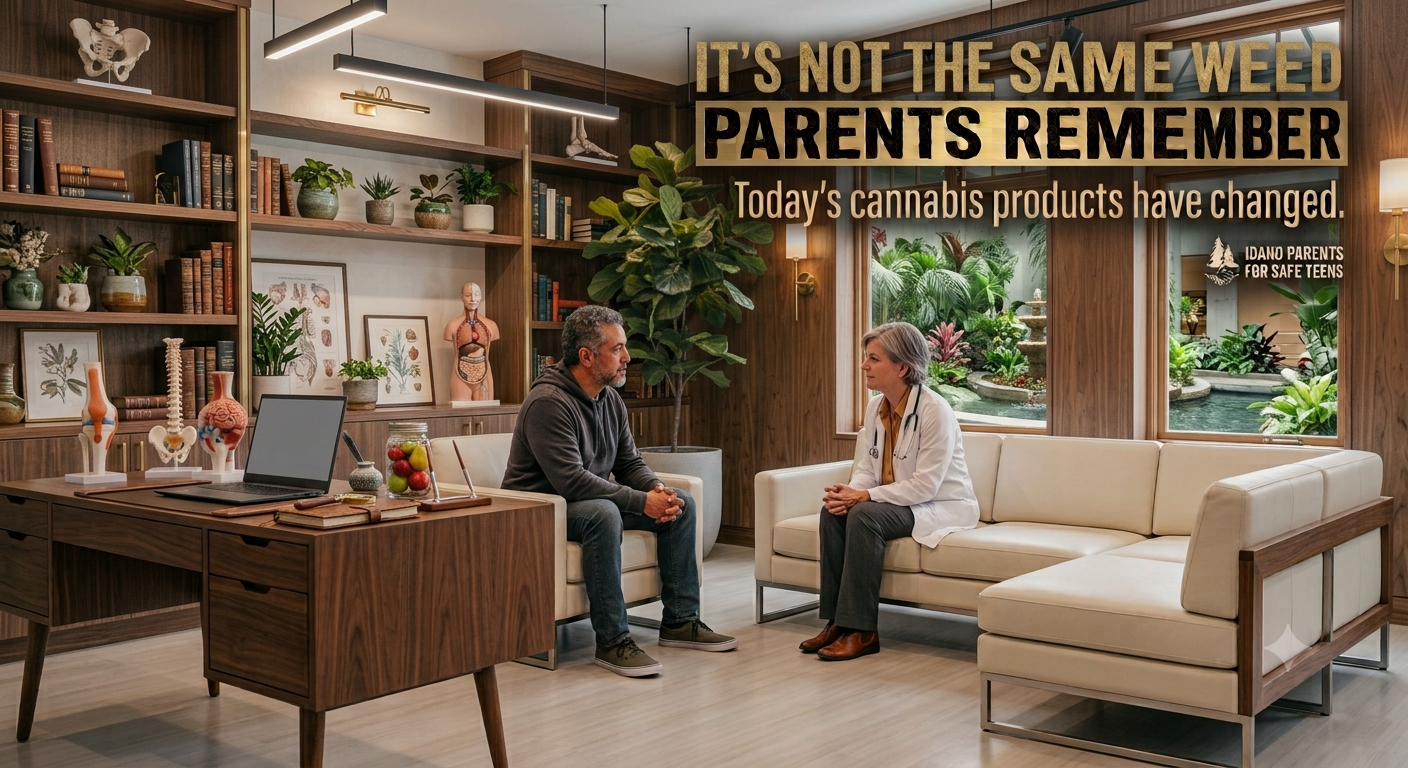
The marijuana being used today isn’t necessarily the marijuana people remember from decades ago.
THC is the primary chemical responsible for marijuana’s intoxicating effects, and THC concentrations in cannabis have increased substantially over time.
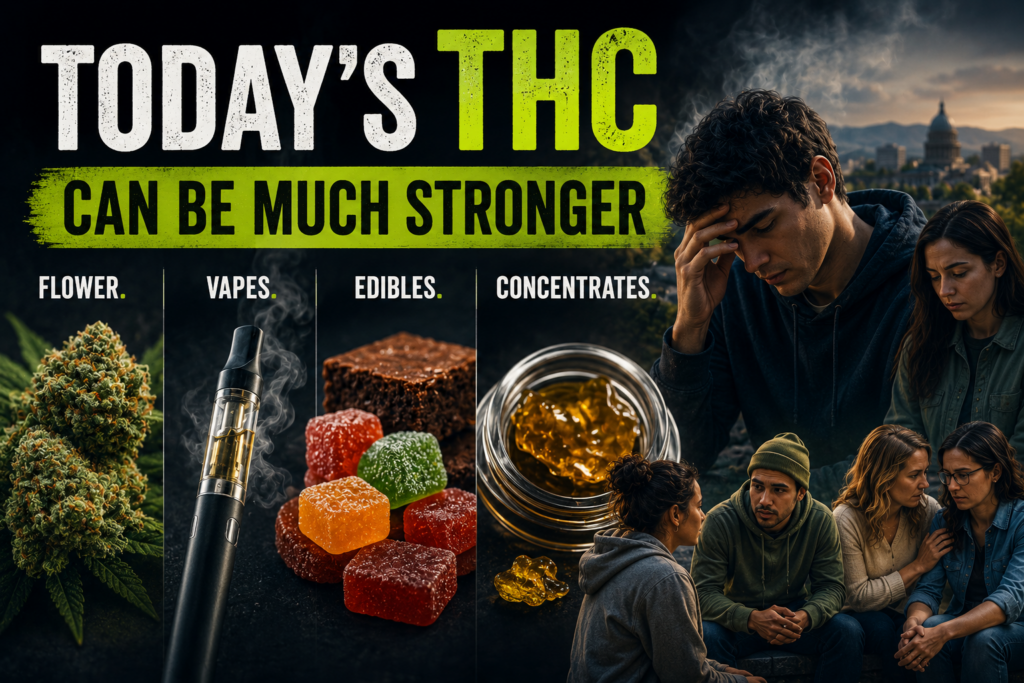
At the same time, cannabis is no longer limited to smoking a joint. Today’s products can include high-potency flower, vape cartridges, concentrates, waxes, oils, edibles and products commonly called dabs or shatter.
For many people, occasional cannabis use may never develop into addiction.
For others, however, marijuana can become increasingly difficult to control.
And understanding that difference starts with understanding what’s actually in today’s cannabis.
What Is THC?
THC stands for tetrahydrocannabinol.
It’s the primary psychoactive component in cannabis responsible for the “high” associated with marijuana.
When THC reaches the brain, it interacts with the body’s endocannabinoid system and can affect things like mood, memory, coordination, appetite and perception.
Why THC Potency Matters
The amount of THC in a cannabis product helps determine how strongly it may affect someone.
According to the Centers for Disease Control and Prevention, the average THC concentration in cannabis research samples nearly doubled from 9% in 2008 to 17% in 2017.
The CDC also cites research examining products available through online dispensaries in several states where the average THC concentration was 22%, with some products reaching 45%.
And concentrates can expose users to even higher levels of THC.
Today’s Cannabis Comes in Many Forms
High-THC products can include:
- Vape cartridges
- Concentrates
- Dabs
- Wax
- Shatter
- Live resin
- High-potency flower
- Edibles and gummies
- THC oils
This matters because people may be consuming significantly more THC than they realize.

Is Marijuana Actually Addictive?
Yes, marijuana can become addictive.
The clinical term is Cannabis Use Disorder, or CUD.
According to the CDC, some people who use cannabis develop Cannabis Use Disorder, meaning they’re unable to stop using even when marijuana is causing problems in their health or life.
The CDC estimates that approximately 3 in 10 people who use cannabis have Cannabis Use Disorder.
Risk isn’t the same for everyone.
Who Has a Higher Risk of Developing Cannabis Use Disorder?
Risk is greater among people who begin using cannabis during adolescence and among people who use marijuana more frequently.
High concentrations of THC are another concern.
The CDC notes that highly concentrated THC products can produce greater intoxicating effects and increase the risk of consuming too much.
If marijuana has become difficult to stop, Zelus Recovery offers specialized marijuana addiction treatment in Boise and Meridian for individuals and families who need additional support.
“But Marijuana Is Legal in a Lot of States.”
Legal doesn’t necessarily mean risk-free.
Alcohol is legal.
Nicotine is legal for adults.
Prescription medications are legal when appropriately prescribed.
All can still lead to dependence or addiction.
Legalization and Addiction Are Two Different Conversations
Whether cannabis should be legal is a public policy question.
Whether an individual is developing an unhealthy relationship with cannabis is a health question.
Those aren’t the same thing.
Instead of focusing exclusively on whether marijuana is legal, it can be more helpful to ask:
What role is marijuana playing in my life?
And:
Can I comfortably stop using it?
The answers can tell you much more about your relationship with cannabis.
“I Only Use Marijuana to Relax.”
This is where cannabis use can become complicated.
Someone may initially use marijuana recreationally.
Eventually, it can become something they rely on.
“I need it to sleep.”
“It helps my anxiety.”
“It’s the only thing that shuts my brain off.”
“I can’t relax without it.”
“I need it after work.”
When Marijuana Becomes a Coping Mechanism
Using a substance occasionally and feeling unable to cope without it are two very different things.
Stress happens.
Anxiety happens.
Bad days happen.
Sleep problems happen.
But when marijuana becomes the primary way someone handles uncomfortable emotions or everyday stress, the brain can begin associating those situations with cannabis use.
Zelus has previously discussed how triggers such as stress, anxiety, boredom, sadness and anger can become associated with substance use.
Pay Attention to the Word “Need”
There’s an important difference between:
“I enjoy marijuana.”
and
“I need marijuana to feel normal.”
That change may happen gradually enough that someone doesn’t immediately recognize it.
Can You Develop a Tolerance to Marijuana?
Yes.
Tolerance means needing more of a substance to achieve the effect you once experienced with less.
Someone might begin with occasional marijuana use and eventually notice that the same amount doesn’t produce the same effect.
So they use more.
Or they switch to a stronger product.
High-Potency THC Can Change the Equation
Today’s concentrates, vape products and high-THC cannabis make this conversation particularly important.
Someone who remembers smoking marijuana decades ago may underestimate the experience of someone consuming a much more concentrated THC product today.
That’s why conversations about modern cannabis need to move beyond:
“It’s just weed.”
The product, potency, frequency of use, age of the person and individual risk factors all matter.
Can You Have Marijuana Withdrawal?
Yes.
People who use marijuana frequently can experience symptoms when they reduce or stop using it.
That can surprise people who assumed marijuana couldn’t cause dependence.
hat Can Marijuana Withdrawal Feel Like?
Someone stopping frequent cannabis use may experience symptoms such as:
- Irritability
- Anxiety
- Difficulty sleeping
- Changes in appetite
- Restlessness
- Strong cravings
- Mood changes
For some people, these symptoms make quitting harder than expected.
Zelus Recovery has a complete guide explaining THC detox and marijuana withdrawal and also offers a marijuana detox program for people who need additional support.
What About Marijuana and Anxiety?
This is another area where people can receive mixed messages.
Some people say marijuana makes them feel calmer.
Others experience increased anxiety, panic or paranoia.
The effects can differ based on the individual, product, dose, THC concentration, frequency of use and other factors.
The CDC’s overview of cannabis health effects provides additional information about how cannabis can affect both physical and mental health.
When Marijuana Is Being Used to Treat the Anxiety Marijuana May Be Contributing To
This can become a difficult cycle.
Someone uses marijuana because they’re anxious.
Eventually they feel anxious without marijuana.
So they use marijuana again.
At that point, it’s worth looking beyond the immediate feeling of relief and asking whether cannabis is actually improving the underlying problem.

Why Teen Marijuana Use Deserves Special Attention
For parents, today’s cannabis landscape can be particularly confusing.
A parent might remember experimenting with marijuana in high school or college and assume their teenager is having essentially the same experience.
That comparison isn’t always accurate.
The Adolescent Brain Is Still Developing
The brain continues developing through adolescence and into young adulthood.
That’s one reason the age someone begins using cannabis matters.
The CDC identifies beginning cannabis use during youth or adolescence as a factor associated with greater risk of Cannabis Use Disorder.
Marijuana Doesn’t Always Look Like Marijuana Anymore
Parents should also understand how much cannabis products have changed.
It may not involve a bag of marijuana and rolling papers.
THC can appear in:
- Vape pens
- Cartridges
- Gummies
- Candies
- Oils
- Concentrates
- Other edible products
That can make marijuana use easier to conceal and harder for parents to recognize.
If you’re concerned about your teenager, Zelus also provides treatment specifically for teens and young people struggling with marijuana and substance use.
When Does Marijuana Use Become a Problem?
There isn’t one amount or frequency that tells the entire story.
Instead, look at what marijuana is doing to someone’s life.
Ask What Has Changed
Is marijuana affecting:
Your motivation?
School?
Work?
Relationships?
Finances?
Memory or concentration?
Mental health?
Sleep?
Your ability to enjoy things without being high?
And perhaps most importantly:
Have you tried to stop and discovered that you can’t?
You don’t have to wait for marijuana to destroy someone’s life before asking for help.

Marijuana Addiction Treatment in Boise and Meridian
Cannabis Use Disorder is treatable.
Treatment isn’t about shaming someone for using marijuana.
It’s about understanding why the substance has become difficult to control and helping that person develop healthier ways to manage cravings, emotions, triggers and everyday life.
Zelus Recovery provides individualized substance abuse treatment in Boise and the Treasure Valley for adolescents and adults.
Treatment Doesn’t Always Mean Residential Rehab
This is important for people who avoid asking for help because they believe treatment means disappearing from their life for months.
Different people require different levels of support.
Zelus offers outpatient treatment options including Intensive Outpatient Programs and Partial Hospitalization Programs.
IOP can allow people to receive structured addiction treatment while continuing to participate in work, school and family life.
Treatment Should Address More Than Marijuana
The goal isn’t simply:
“Stop smoking weed.”
Effective treatment should look at the bigger picture.
Why did cannabis become important?
What triggers use?
Is anxiety involved?
Depression?
Trauma?
Stress?
Family conflict?
Sleep problems?
Peer relationships?
What happens when marijuana is removed?
Zelus Recovery’s approach includes comprehensive assessment, individualized treatment, counseling, group therapy and support for underlying issues contributing to substance use.
Marijuana Isn’t What It Used to Be. Our Conversation About It Shouldn’t Be Either.
We don’t need to exaggerate the risks of marijuana.
And we don’t need to pretend marijuana is harmless.
Both approaches miss the point.
Today’s cannabis products can expose people to substantially different levels of THC than marijuana from previous decades.
Some people will use cannabis without developing an addiction.
Others won’t.
What matters is recognizing when marijuana has stopped being something a person chooses and has started becoming something they feel they need.
If you or someone you love is struggling to control marijuana use, you don’t have to wait for things to get worse.
Call Zelus Recovery at 208.518.0797 for a confidential consultation.
Sometimes the first step isn’t admitting you have an addiction.
Sometimes it’s simply being willing to ask:
“Could marijuana be affecting my life more than I realized?”
Frequently Asked Questions About Marijuana and THC
Is marijuana addictive?
Yes. Some people who use marijuana develop Cannabis Use Disorder, which can involve difficulty controlling or stopping cannabis use despite negative consequences.
Is today's marijuana stronger than marijuana from the past?
Cannabis THC concentrations have increased over the past several decades. Additionally, concentrates and certain vaping products can expose users to particularly high concentrations of THC.
What is Cannabis Use Disorder?
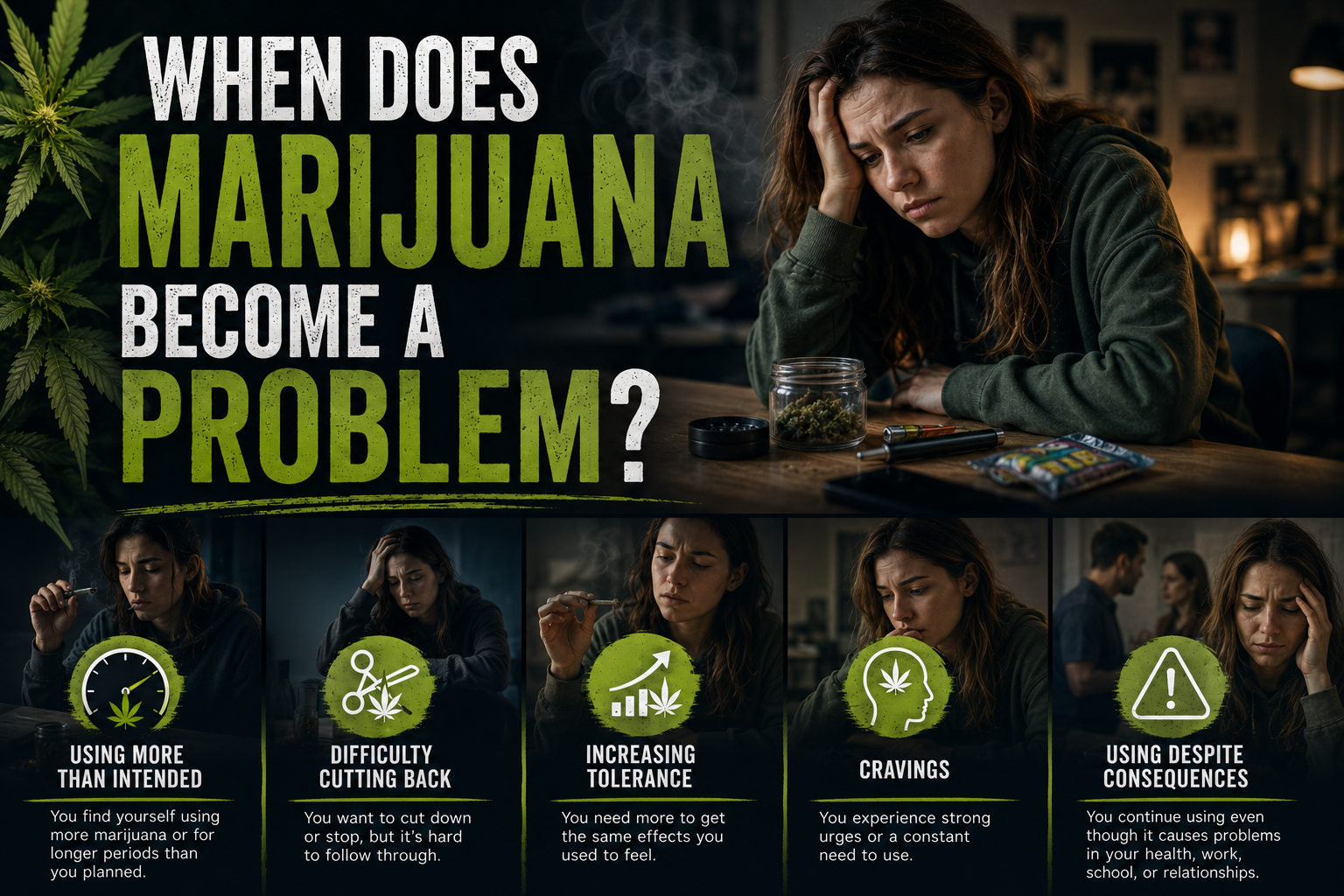
Cannabis Use Disorder is a condition involving problematic cannabis use. Signs can include cravings, difficulty cutting back, continued use despite negative consequences, tolerance and giving up important activities because of marijuana.
Can you become addicted to THC gummies?
The form of the product doesn’t eliminate the possibility of problematic cannabis use. Gummies and other edibles containing THC can still contribute to patterns of frequent use, tolerance and Cannabis Use Disorder.
Can marijuana cause withdrawal?
People who frequently use cannabis may experience symptoms after reducing or stopping, including irritability, anxiety, sleep problems, appetite changes, restlessness and cravings.
Can marijuana make anxiety worse?
Cannabis affects people differently. Some people report relaxation, while others may experience anxiety, panic or paranoia. If marijuana is being repeatedly used to manage anxiety, it’s worth evaluating both the cannabis use and the underlying anxiety.
How do I know if my teenager's marijuana use is becoming a problem?
Changes in school performance, motivation, relationships, mood, responsibilities, activities or an inability to reduce marijuana use can warrant a closer look. Parents don’t need to wait until the situation becomes severe before requesting a professional assessment.
Does someone have to go to inpatient rehab for marijuana addiction?
Not necessarily. The appropriate level of treatment depends on the individual’s needs. Outpatient, intensive outpatient and partial hospitalization programs can provide different levels of structure without necessarily requiring residential treatment.